
by admin | Mar 19, 2026 | Bernie Siegel’s WORLD STEM CELL SUMMIT BLOG, News and Opinions
By Steve Lundeberg – Oregon State University – by overcoming the challenge of consistently getting genes and gene-editing tools where they need to be within cells. Findings of the study spearheaded by Oregon State University College of Pharmacy graduate...

by admin | Mar 18, 2026 | Bernie Siegel’s WORLD STEM CELL SUMMIT BLOG, News and Opinions
By PNAS.org – In December 2025, the US Food and Drug Administration’s (FDA’s) Center for Biologics Evaluation and Review (CBER) approved a gene-based stem cell therapy for Wiskott–Aldrich syndrome, a rare and life-threatening genetic disease. This decision was...
by admin | Mar 17, 2026 | Bernie Siegel’s WORLD STEM CELL SUMMIT BLOG, News and Opinions
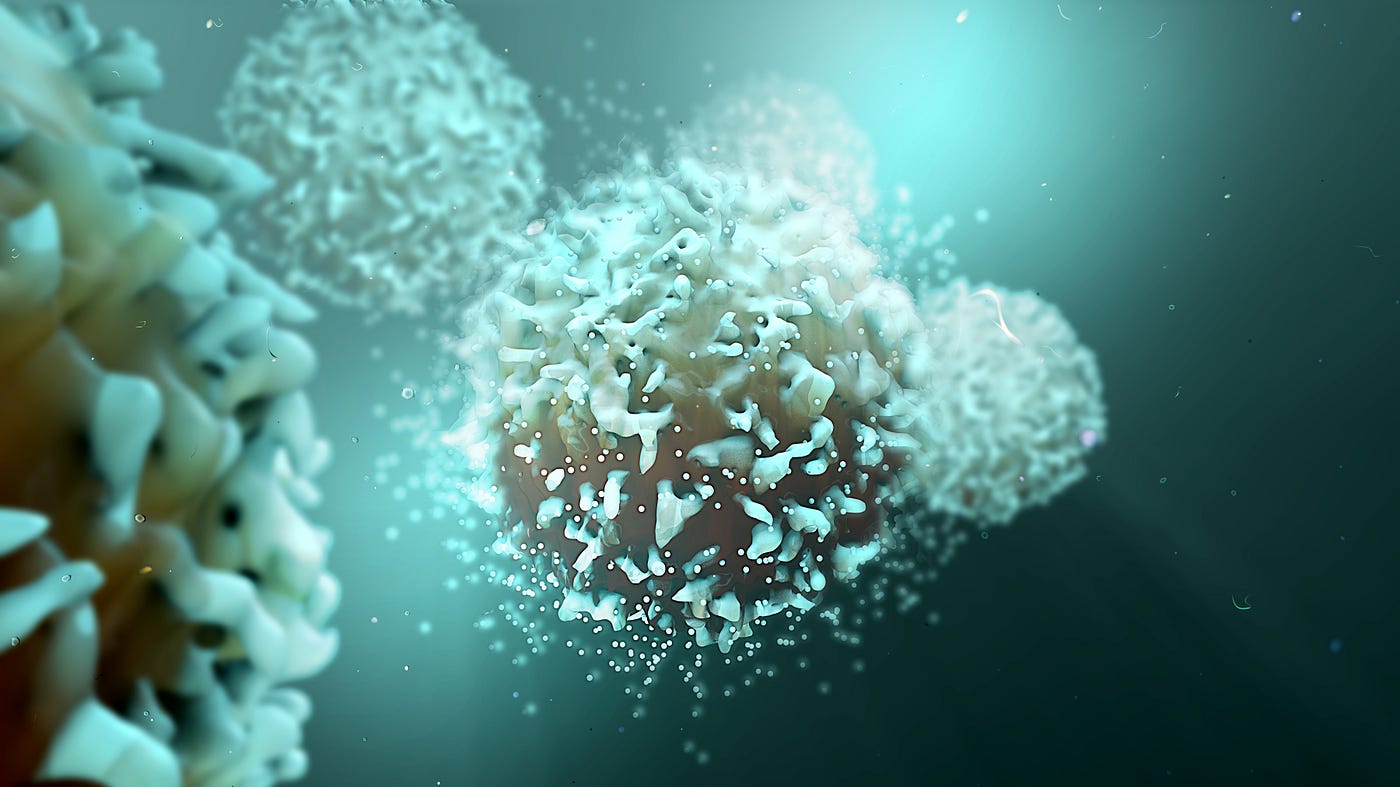
By Melissa Rohman – NorthWwestern Medicine – CAR T-cell immunotherapy improved progression-free and overall survival in patients with relapsed or refractory marginal zone lymphoma, according to a recent clinical trial published in The Lancet. Marginal zone...
by admin | Mar 16, 2026 | Bernie Siegel’s WORLD STEM CELL SUMMIT BLOG, News and Opinions
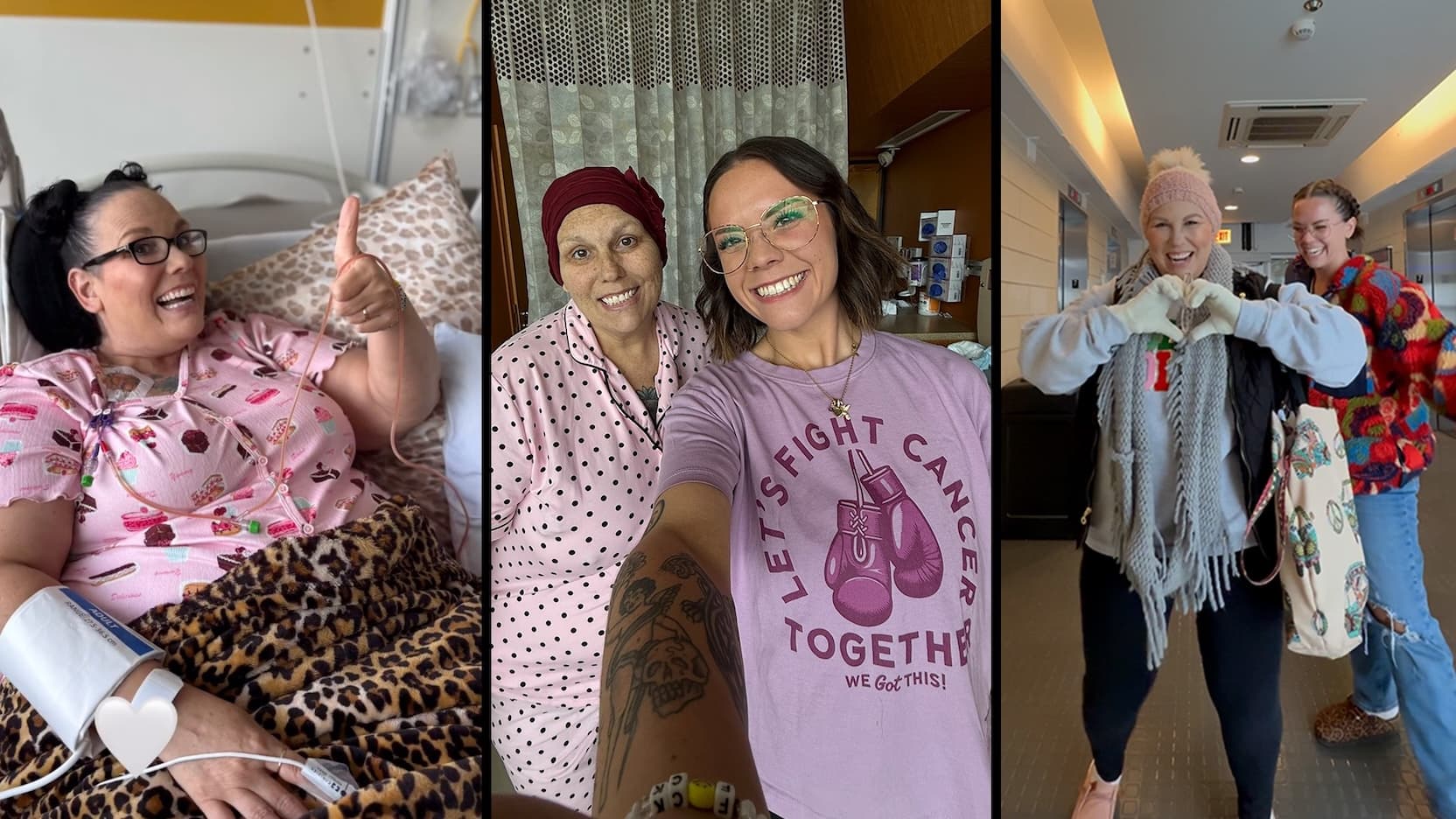
By Jamie Bartosch – UChicago Medicine – “I was so sick and tired; I knew I couldn’t keep doing chemo,” said Cordle, 51, who lives in Mapleton, Illinois, just outside Peoria. The next step would be stem cell transplantation, also known as bone marrow...
by admin | Mar 13, 2026 | Bernie Siegel’s WORLD STEM CELL SUMMIT BLOG, News and Opinions
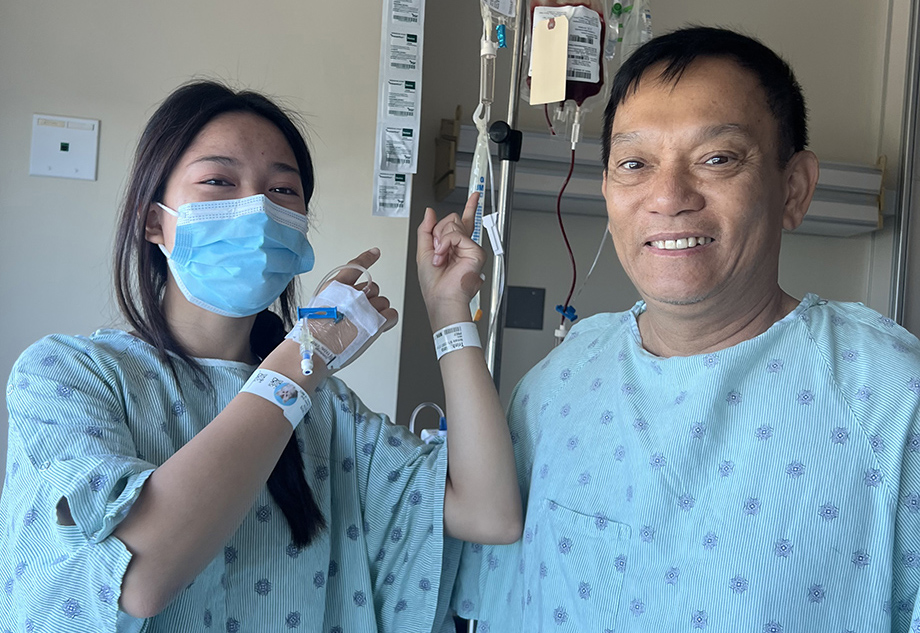
By Erin Baily – UC Davis Health – For Hai Trinh, his disease started gradually. Fatigue. Bruising easily. He thought little of it. As a mechanic, husband and father of two girls, he just kept pushing forward, attributing the persistent health challenges to...

by admin | Mar 12, 2026 | Bernie Siegel’s WORLD STEM CELL SUMMIT BLOG, News and Opinions
By Elizabeth Dougherty – Dana-Farber Cancer Institute – In the early 1970s, the field of genetics was confined to the study of bacteria and viruses. Conventional wisdom at the time was that the tools of molecular biology couldn’t be used to study...