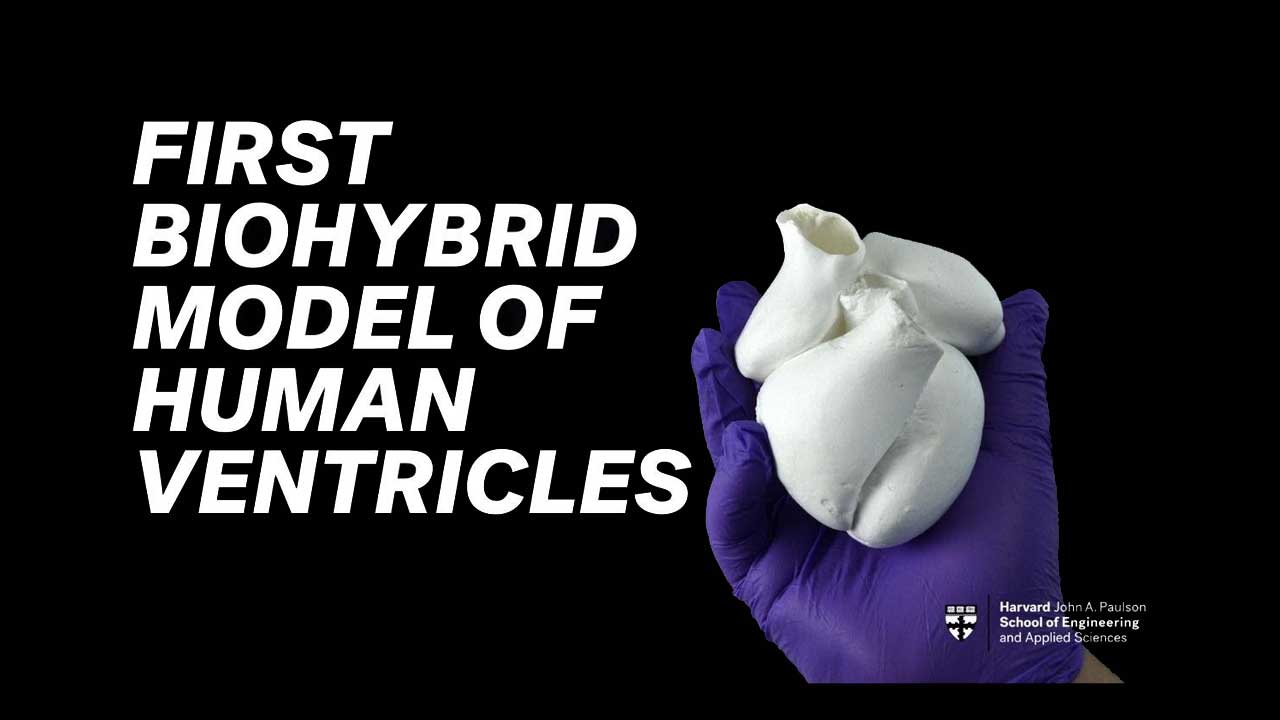
Regenerative medicine through stem cell technology is a source of hope for many suffering from ailments including Alzheimer’s disease, diabetes, spinal cord injury and cancer. While new therapeutic options are continually in development, progress has, until recently, been hampered by political and medical ethics arguments. Because of patient advocacy, new technologies are now advancing, from development of an artificial pancreas to the hope of culturing intact human organs. In this interview with The Life Sciences Report, Bernie Siegel, founder and executive director of the Genetics Policy Institute, describes recent progress and developments in the regenerative medicine universe.
Stem Cell Research Forward…